

Ledger Live Desktop: Understanding Crypto Wallet Privacy and Public Transactions
Cryptocurrency transactions take place on public blockchain networks, but understanding what this means for personal privacy is not always straightforward. Users managing digital assets need to know which details are publicly visible, how wallet addresses work, and what information should remain confidential. Ledger Live Desktop provides an interface for viewing supported accounts and managing compatible operations with a Ledger hardware wallet. Learning about blockchain transparency and wallet privacy can help users make more informed decisions when using the application.Understanding Public Blockchain Information
Many blockchain networks maintain public records of transactions. Depending on the network, these records may include wallet addresses, transferred amounts, transaction IDs, timestamps, and confirmation details. This transparency allows anyone with the appropriate blockchain explorer to inspect publicly available activity. However, a public wallet address does not automatically reveal the real-world identity of its owner. The relationship between an address and a person may become apparent if the address is connected to identifiable information elsewhere.How Ledger Live Desktop Displays Account Activity
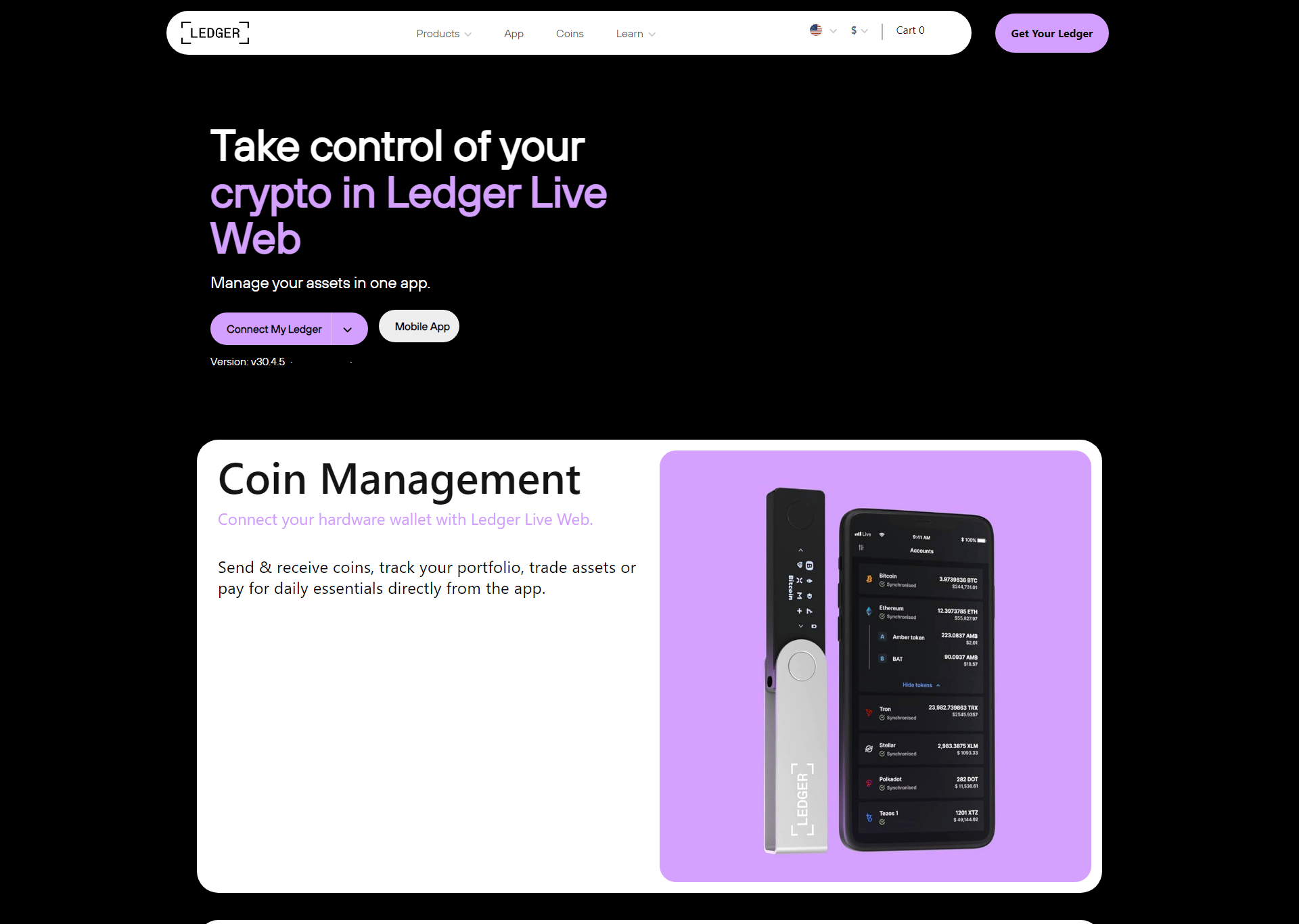
Ledger Live Desktop provides an interface for reviewing supported account information and transaction history. Users may be able to examine incoming transfers, outgoing transactions, displayed balances, and other available details. The exact information depends on the asset, network, and current software support. Remember that the application is an interface for managing supported accounts. The hardware wallet protects the private keys associated with those accounts and is used to authorize supported transactions.Understanding Wallet Addresses
A wallet address is used to identify a destination for a cryptocurrency transfer. It is different from a recovery phrase or private key. Some blockchain networks use different address formats for different transaction types. A token may also be available on multiple networks, so checking the intended network is essential. Before sharing a receiving address through Ledger Live Desktop, verify that it belongs to the correct account and is compatible with the sender’s network.Protecting Personal Information
Although public blockchain activity can be visible, personal information should not be shared unnecessarily. Avoid publishing wallet addresses alongside personal details unless there is a clear reason to do so. Be careful when sharing transaction screenshots because they may reveal addresses, balances, or other account information. Use strong passwords for your computer and other services, and avoid sharing account details through untrusted websites or messaging channels.Understanding the Difference Between Public and Private Information
It is useful to separate ordinary blockchain information from confidential wallet credentials. Information that may be publicly visible:- Public wallet addresses.
- Transaction IDs.
- Network confirmation details.
- Publicly recorded transfer amounts.
- Your recovery phrase.
- Private keys.
- Device PIN.
- Sensitive account access credentials.